About the MERIT Project

« Strengthening resilience to the effects of climate change »

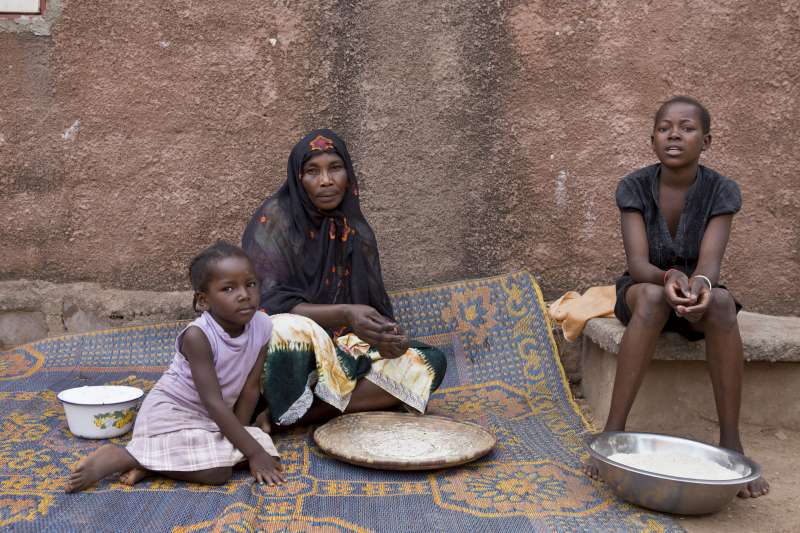
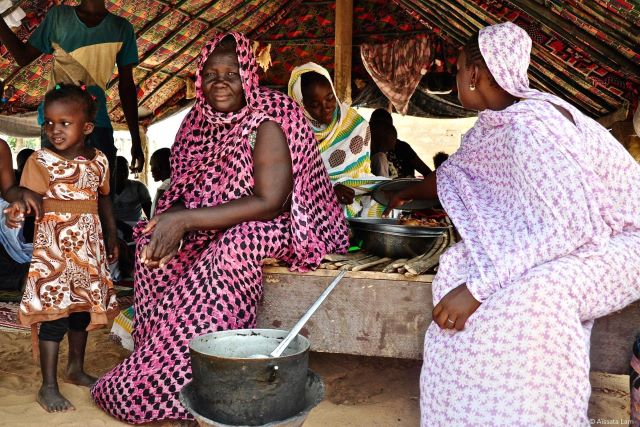
Co-financed by the International Fund for Agricultural Development (IFAD) and the Global Environmental Fund (GEF), the « Multi-Energy for Resilience and Integrated Land Management (MERIT) » project primarily smallholders (farmers, livestock brewers, agro-pastoralists), men, women and young people, considered to be the group most vulnerable to climate change.

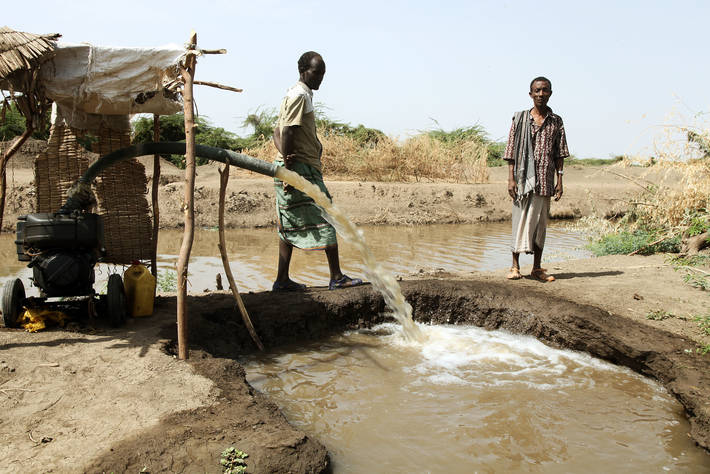
The project aims to support resilience and promote the use of renewable energies (dissemination of the greenhouse gas (GHG)-efficient next at the household level but also through land management (access to water groundwater, sustainable management of market gardening).
MERIT will strengthen the climate resilience of ecosystems by promoting low-mission energy sources. It will benefit more than 42,000 households, or about 420,000 indirect benefits in its area of intervention, including at least 50% women and 30% young people.
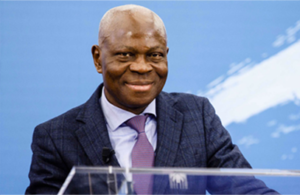
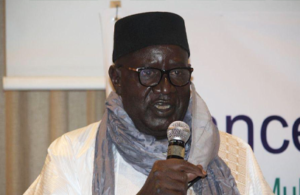
Gilbert HOUNGBO

President of IFAD


The objective of the project is to contribute to the improvement of food and nutrition security, the reduction of poverty and the strengthening of the resilience, in particular climate, of the poor rural populations of southern Mali. The development objective is the sustainable improvement of access to renewable energies and self productivity.

Moussa CAMARA

MERIT Project National Coordinator


MERIT targets women, men and young smallholders, who are considered the most vulnerable group to climate change. The setting approach will combine the criteria of vulnerability to climate change at the local level and the eligibility criteria (number of animals, access to water) contained for ASAP/PAMAP to identify the benefits of the biodigesters.

Modibo KEITA

Minister of Rural Development of Mali


The "Multi-Energys for Resilience and Integrated Land Management (MERIT)" project will strengthen the climate resilience of ecosystems by promoting low-mission energy sources. It will benefit more than 42,000 households, or some 420,000 indirect benefits in the project area, including at least 50% women and 30% young people.

Our Goals

The MERIT Project has identified key challenges for achieving the Sustainable Development Goals and improving living conditions in southern Mali.

Overall objective

Contribute to improving food and nutrition security, reducing poverty and building climate resilience.

Specific objective

Promote the resilience of production systems in order to promote a sustainable improvement in domestic productivity.

Expected results

1. Improved household nutritional status

2. Integration of agriculture and livestock through

3. Intensification of livestock systems through production

4. Support for the adoption of agricultural practices

The actions of the MERIT Project

Discover our actions and areas of intervention

Our areas of intervention

The MERIT Project focuses on the Sudan and Sudan-Guinean zones, characterized by a rainfall of more than 600 mm per year.

The project will cover ASAP/PAPAMAM
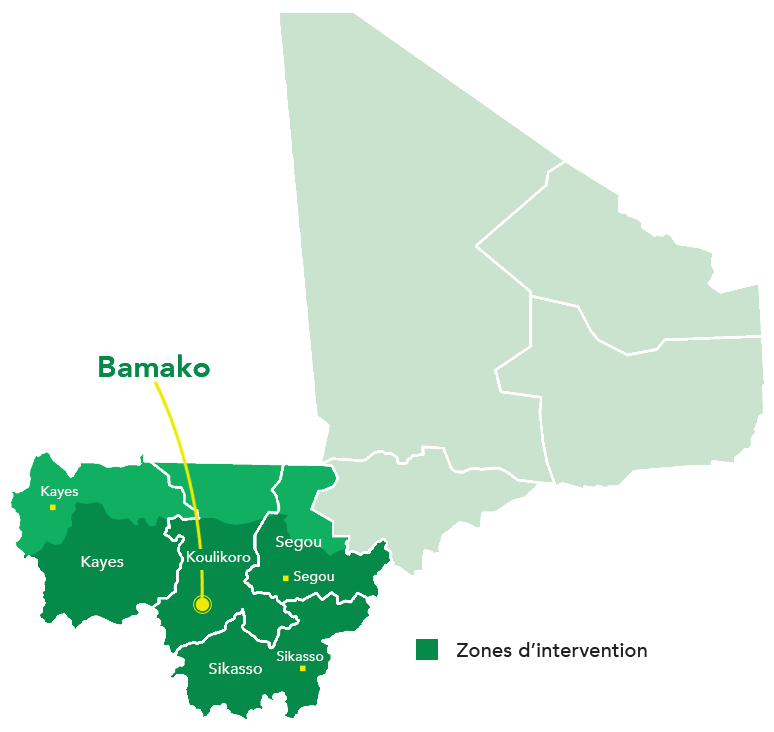
L

SEGOU REGION

Area: 64,821 km2
Population: 2 336 255
Density: 36 inhabitants/km2
L

KOLIKORO REGION

Area: 90 120 km2
Population: 4 418 305

SIKASSO REGION

Area:4 418 305
Population: 2 625 919
Density: 37 per km2

KAYS REGION

Area: 119 743 
Population: 1 996 812 

Our impact

Discover the impact of the MERIT project on strengthening sustainable development and improving living conditions in southern Mali.

Key figures

People affected by the project

Bio-digesters made

Photovoltaics installed

Hectare of land under climate residual management

People trained in production practices and/or techniques

Success story

EnglishenEnglishEnglish
Share This